Dyslexia is a learning difference that affects how the brain processes written language. Because its signs can look different from one person to another, dyslexia is typically identified through a careful, multi-step process rather than a single test.
Understanding how dyslexia is identified can help parents, educators, and individuals recognize potential signs earlier and seek appropriate educational or psychological support when needed.
If you’ve been online recently, you might have seen that the International Dyslexia Association (IDA) has released a new definition of dyslexia. This update is sparking conversation among educators, parents, and clinicians alike — and for good reason. A clearer, more up-to-date understanding of dyslexia helps us better identify, support, and empower children and adults who learn differently.
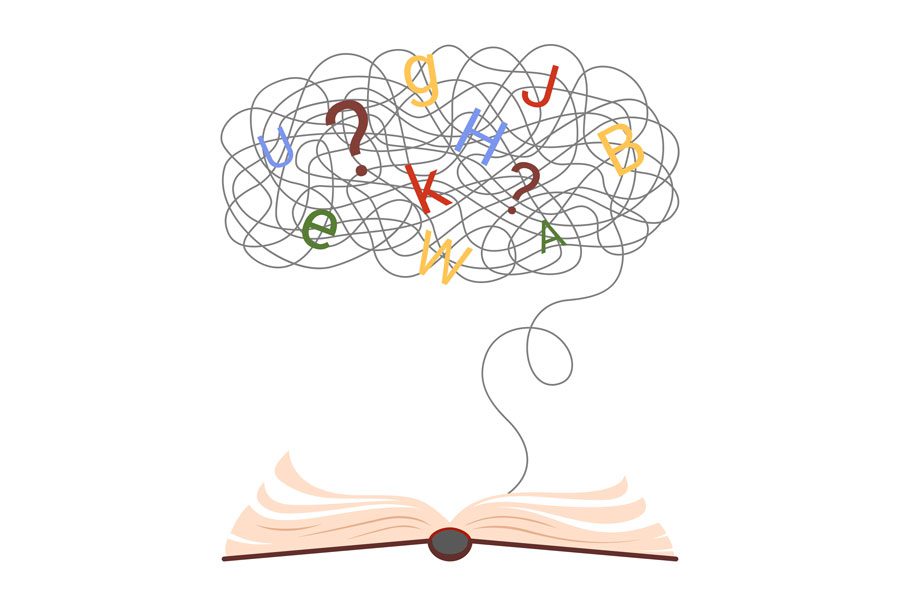 Dyslexia is not identified through a single checklist or screening tool. Instead, professionals look at a combination of factors, such as reading patterns, language development, learning history, and cognitive processing skills. This comprehensive approach helps distinguish dyslexia from other learning differences or academic challenges.
At Rice Psychology Group, we understand how important it is to identify dyslexia accurately and early. The process may involve tools that focus specifically on reading and related skills. These assessments can help determine whether a child (or adult) is showing signs of dyslexia and what type of instruction or intervention will be most effective.
The good news? There is help — and it works. Evidence-based, structured literacy programs can teach dyslexic readers how to read more fluently and confidently. With the right support and understanding, children and adults with dyslexia can learn to thrive academically professionally and emotionally.
If you suspect your child might be struggling with reading or if you’ve always wondered whether dyslexia could be part of your story, we’re here to help. Our child psychologist team at Rice Psychology Group provides comprehensive and focused evaluations, clear explanations, and guidance on next steps.
Because when it comes to reading, understanding how the brain works is the first step toward real progress — and relief.
If you’d like to schedule a dyslexia evaluation or learn more about our testing options, please contact Rice Psychology Group in Tampa, today.
Together, our psychologists can uncover what’s standing in the way and find the best path forward for your reader. Learn more about psychological conditions we work with here.